Learning tap to lift ratio using Save Me
Save Me is not only a fast reaction arcade game. It is also a great way to understand how movement speed changes depending on player input. One of the most important gameplay systems inside Save Me is the tap to lift ratio. This system decides how much upward movement happens whenever the player taps the screen.
In simple words the tap to lift ratio measures how much lift force is created for every tap made by the player. If the ratio is high the character moves upward faster. If the ratio is low the player needs more taps to survive. Understanding this system helps developers create balanced gameplay that feels smooth and rewarding.
Many arcade games use hidden ratios to control movement difficulty. Save Me uses this concept in a very clear way because the player directly feels the result of every tap. This makes the game perfect for learning how interactive physics and player input work together inside Flutter game development.
When beginners create arcade games they often make movement random or inconsistent. A proper tap to lift ratio solves this problem. It gives players predictable control while still creating challenge and pressure.
In this tutorial you will learn how to build a clean tap to lift system using Dart. You will understand how tapping speed affects vertical movement and how to balance gameplay for mobile and desktop players.
Understanding the core gameplay loop
Before writing code it is important to understand what actually happens inside Save Me during gameplay.
-
The player taps the screen repeatedly.
-
Every tap increases upward force.
-
Gravity slowly pulls the character downward.
-
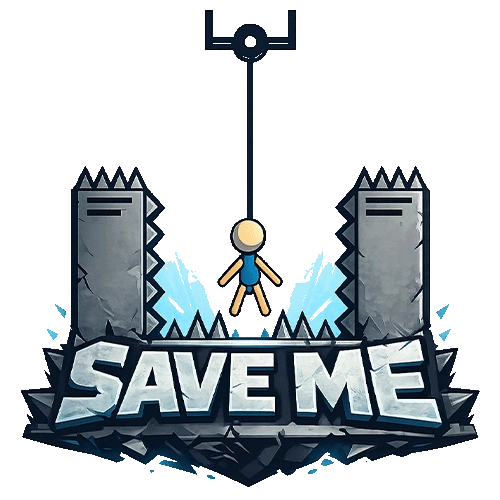
Crushers continue moving inward.
-
The player must maintain enough lift force to survive.
The entire challenge depends on balancing upward movement against danger. If upward movement becomes too strong the game becomes easy. If it becomes too weak the game becomes frustrating. This is why the tap to lift ratio is extremely important.
Creating the player variables
The first step is creating variables that control movement. These values define player position gravity and lift power.
double playerY = 0;

double gravity = 0.4;

double liftPower = -8;

double velocity = 0;

bool isAlive = true;
Here playerY stores vertical position. Gravity continuously pulls the player downward. Lift power pushes the player upward whenever a tap happens. Velocity stores movement speed.
Negative values move upward because most game coordinate systems place zero at the top of the screen. Positive values move downward.
Applying gravity continuously
Gravity must always run during gameplay. Without gravity the player would float endlessly after one tap. Gravity creates challenge and makes repeated tapping necessary.
void updatePlayer() {
  velocity += gravity;

  playerY += velocity;
}
Every frame gravity increases velocity. Then velocity changes player position. This creates natural falling movement.
A lower gravity value creates slower falling while a higher value creates intense pressure. Small changes greatly affect gameplay feel.
Adding tap input
Now the player needs a way to fight gravity. This happens through tapping.
void onTap() {
  velocity = liftPower;
}
Whenever the player taps the screen velocity instantly changes into upward movement. The character jumps upward and gravity slowly pulls them back down again.
This is the foundation of the tap to lift ratio.
Understanding the ratio mathematically
The tap to lift ratio can be understood using a simple relationship between gravity and lift power.
If gravity equals 0.4 and lift power equals negative 8 the player gains strong upward movement from each tap.
The ratio can be visualized like this.
:contentReference[oaicite:0]{index=0}
A higher ratio means each tap produces more movement compared to falling force. Lower ratios require faster tapping.
Making movement smoother
Directly replacing velocity works but movement may feel too sharp. A smoother method adds lift gradually.
void onTap() {
  velocity += liftPower;

  if (velocity < -10) {
    velocity = -10;
  }
}
This method stacks lift force naturally and prevents unrealistic movement speeds.
The limit prevents players from abusing rapid tapping and escaping too quickly.
Balancing gameplay difficulty
Game balance depends heavily on tuning movement values correctly. Small number adjustments completely change player experience.
Beginners should experiment with different combinations.
double gravity = 0.3;

double liftPower = -6;
This creates relaxed gameplay suitable for casual players.
double gravity = 0.5;

double liftPower = -7;
This creates a more competitive experience with higher pressure.
Professional game developers spend significant time balancing ratios because movement feel decides whether players continue playing.
Creating a tap counter system
Tracking taps helps measure player performance and reaction speed.
int totalTaps = 0;

void onTap() {
  totalTaps++;

  velocity += liftPower;
}
This system allows developers to create scores achievements and statistics.
You can later display total taps on screen or reward efficient players who survive using fewer taps.
Calculating lift efficiency
Lift efficiency measures how much vertical distance the player gains per tap.
This is useful for balancing difficulty and analyzing player behavior.
:contentReference[oaicite:1]{index=1}
Higher efficiency means players are timing taps better instead of spamming randomly.
Adding crusher pressure
Save Me becomes exciting because danger increases continuously. Crushers create urgency.
double crusherWidth = 300;

double crusherSpeed = 0.5;

void updateCrusher() {
  crusherWidth -= crusherSpeed;
}
The shrinking gap forces players to maintain efficient tapping. The tap to lift ratio becomes more important as pressure increases.
Detecting game over conditions
Collision systems decide whether the player survives.
void checkCollision() {
  if (crusherWidth <= 50) {
    isAlive = false;
  }
}
In a real game collision checks usually involve hitboxes and object boundaries. This simplified version demonstrates the core logic clearly.
Making tapping feel responsive
Responsive controls are critical in reaction games. Delayed movement makes gameplay frustrating.
Good responsiveness comes from immediate feedback.
-
Instant upward movement
-
Quick sound effects
-
Small animation changes
-
Smooth frame updates
Even simple games become addictive when controls feel responsive.
Creating adaptive difficulty
Advanced versions of Save Me can dynamically adjust difficulty depending on player skill.
void increaseDifficulty() {
  gravity += 0.02;

  crusherSpeed += 0.01;
}
This system gradually increases tension and keeps experienced players challenged.
Adaptive gameplay improves replay value because players always feel tested.
Optimizing for mobile devices
Mobile players tap differently from desktop players. Mobile tapping is usually faster but less precise.
Developers should test movement values on multiple screen sizes and frame rates.
double screenHeight = MediaQuery.of(context).size.height;

double playerStartY = screenHeight * 0.5;
Responsive scaling ensures gameplay remains balanced across devices.
Using Flame with Flutter
Save Me style games work very well using Flame. Flame is a lightweight game engine for Flutter that simplifies game loops rendering and collision systems.
A basic Flame game setup looks like this.
class SaveMeGame extends FlameGame {

  double playerY = 0;

  double velocity = 0;

  double gravity = 0.4;

  double liftPower = -8;

  @override
  void update(double dt) {
    velocity += gravity;

    playerY += velocity;
  }

  void onTap() {
    velocity = liftPower;
  }
}
This structure keeps movement logic organized and easy to expand.
Improving animation quality
Animation strongly affects how movement feels. Even simple vertical movement becomes satisfying with smooth transitions.
Developers often add rope movement particles and squash effects when players tap rapidly.
Visual feedback helps players understand how strong their lift force is at every moment.
Adding sound feedback
Sound effects improve reaction gameplay significantly. Each successful tap should create satisfying feedback.
void playLiftSound() {
  FlameAudio.play('lift.wav');
}
Small sounds create stronger emotional engagement and make gameplay more energetic.
Preventing tap abuse
Some players may spam taps faster than intended. Developers can limit this using cooldown systems.
bool canTap = true;

void onTap() {
  if (!canTap) {
    return;
  }

  velocity += liftPower;

  canTap = false;

  Future.delayed(
    Duration(milliseconds: 50),
    () {
      canTap = true;
    },
  );
}
Cooldowns maintain fair gameplay and prevent movement exploits.
Why the tap to lift ratio matters
The tap to lift ratio is more than a simple number relationship. It directly controls emotional tension inside the game.
Weak lift force creates panic and difficulty. Strong lift force creates empowerment and speed. Balancing these feelings is one of the most important parts of arcade game design.
Players may never see the actual numbers but they instantly feel whether movement is satisfying or frustrating.
Testing different player experiences
Great gameplay comes from repeated testing. Developers should let multiple players try different movement values and compare reactions.
-
Test beginner friendly settings
-
Test competitive settings
-
Measure average survival time
-
Observe player frustration levels
-
Adjust lift ratios gradually
Data driven balancing creates better long term retention and more enjoyable gameplay.
Final thoughts
Learning the tap to lift ratio using Save Me is an excellent introduction to arcade game physics in Flutter and Dart. The system is simple enough for beginners but powerful enough to teach important game development concepts.
By controlling gravity lift force and movement speed you can completely change how a game feels. These small systems form the foundation of many successful mobile arcade games.
Once you understand tap to lift mechanics you can expand them into advanced features like stamina systems combo boosts dynamic obstacles and adaptive difficulty.
Save Me demonstrates that even simple gameplay can become exciting when movement systems are carefully balanced. Mastering this ratio will help you create smoother more responsive and more enjoyable games for players across mobile and desktop platforms.
The story behind the escape and how everything started
In a quiet city filled with hidden secrets, there was a mysterious figure known as the Imposter Ninja. He was not a hero and not a villain, but someone who lived in the shadows and survived using skill and intelligence.
One night he made a mistake. He entered a restricted zone guarded by the police and took something that did not belong to him. It was not gold or money but something far more valuable. A secret file that exposed powerful people.
The moment he escaped, alarms filled the city. Police units surrounded every exit and the chase began instantly. The ninja ran through narrow paths, jumped across buildings, and tried to disappear into darkness, but this time the city was against him.
While escaping, he fell into a hidden trap built underground. A deadly mechanism designed to crush anything inside it. Two heavy crushers started moving toward him slowly, covered in sharp spikes.
Just when everything seemed lost, a man named Karim appeared. Karim was not a fighter but a clever survivor who knew how to handle dangerous situations. He quickly threw a rope down to the ninja.
Karim shouted for him to climb while he tried to control the system. But the machine was already active and could not be stopped. The only way out was to climb fast enough before the crushers closed.
Now the fate of the Imposter Ninja depends on speed and timing. Every second matters. Either he escapes with the truth or gets crushed and disappears forever.